


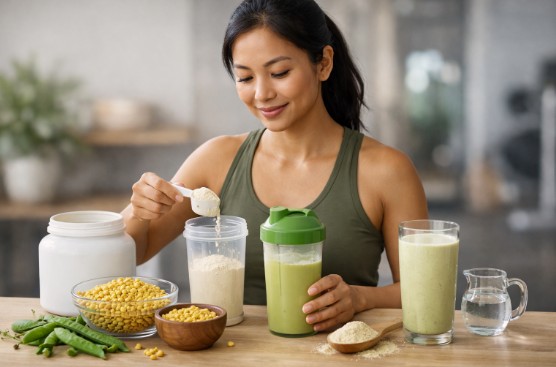
Pea Protein Powder: Benefits, Nutrition & Why Malaysians Are Switching
Pea protein powder is becoming increasingly popular in Malaysia, especially among gym-goers and health-conscious consumers looking for cleaner, plant-based nutrition.
As more people explore alternatives to dairy-based supplements, pea protein is emerging as a reliable and effective option.
In this guide, we explore the benefits, nutritional profile, and reasons why more Malaysians are turning to pea plant protein powder Malaysia as part of their daily routine.
As more people explore alternatives to dairy-based supplements, pea protein is emerging as a reliable and effective option.
In this guide, we explore the benefits, nutritional profile, and reasons why more Malaysians are turning to pea plant protein powder Malaysia as part of their daily routine.
What Is Pea Protein Powder?
Pea protein powder is derived from yellow split peas and processed into a concentrated protein source. It is naturally free from dairy, gluten, and common allergens, making it suitable for a wide range of dietary needs.
Unlike some other plant proteins, pea protein is known for its relatively high protein content and good amino acid profile, which makes it particularly appealing for fitness enthusiasts.
You can explore plant-based protein options available at Dale & Cecil Malaysia, which offer formulations designed for everyday use.
Unlike some other plant proteins, pea protein is known for its relatively high protein content and good amino acid profile, which makes it particularly appealing for fitness enthusiasts.
You can explore plant-based protein options available at Dale & Cecil Malaysia, which offer formulations designed for everyday use.
Nutritional Profile of Pea Protein
Pea protein is valued for its strong nutritional composition. A typical serving provides:
- 20–25g of protein
- Rich in branched-chain amino acids (BCAAs)
- Good source of iron
- Low in fat and carbohydrates
- Naturally cholesterol-free
Although pea protein is slightly lower in methionine (an essential amino acid), it is often combined with other plant proteins to form a complete amino acid profile.
Key Benefits of Pea Protein Powder
1. Supports Muscle Growth and Recovery
Pea protein contains a high level of BCAAs, including leucine, which plays an important role in muscle protein synthesis.
For gym-goers in Malaysia, this makes pea protein a practical option for:
- Post-workout recovery
- Maintaining lean muscle mass
- Supporting strength training goals
2. Easily Digestible
Compared to whey protein, pea protein is generally easier on the digestive system.
This makes it a good choice for Malaysians who experience discomfort with traditional protein supplements.
It is:
- Free from lactose
- Less likely to cause bloating
- Suitable for individuals with dairy sensitivities
This makes it a good choice for Malaysians who experience discomfort with traditional protein supplements.
3. Suitable for Plant-Based and Halal-Friendly Diets
Pea protein is entirely plant-based, making it suitable for:
As plant-based diets continue to gain traction in Malaysia, this versatility is a key advantage.
- Vegans and vegetarians
- Individuals seeking halal-friendly supplements
- Those reducing animal-based intake
As plant-based diets continue to gain traction in Malaysia, this versatility is a key advantage.
4. Supports Weight Management
Pea protein can help support weight management goals by:
- Increasing satiety (feeling full longer)
- Reducing unnecessary snacking
- Supporting calorie control
Its relatively low fat and carbohydrate content makes it suitable for structured diet plans.
5. Heart Health and Cholesterol-Friendly
Pea protein is naturally cholesterol-free and may support heart health when used as part of a balanced diet.
Replacing higher-fat protein sources with plant-based alternatives can contribute to better long-term health outcomes.
Why Malaysians Are Switching to Pea Protein
1. Increasing Awareness of Plant-Based Nutrition
There has been a noticeable shift in Malaysia towards plant-based eating habits, driven by:
- Health awareness
- Environmental concerns
- Lifestyle changes post-pandemic
This has increased interest in pea plant protein powder Malaysia options.
- Health awareness
- Environmental concerns
- Lifestyle changes post-pandemic
This has increased interest in pea plant protein powder Malaysia options.
2. Lactose Intolerance Is Common
Many Asians, including Malaysians, have some degree of lactose intolerance. As a result, whey protein may cause:
- Bloating
- Gas
- Digestive discomfort
Pea protein provides a suitable alternative without these issues.
- Bloating
- Gas
- Digestive discomfort
Pea protein provides a suitable alternative without these issues.
3. Clean and Simple Ingredient Preferences
Consumers are increasingly looking for:
- Short ingredient lists
- Fewer artificial additives
- More natural formulations
Pea protein aligns well with this preference.
4. Improved Taste and Formulations
Earlier plant proteins were often criticised for taste and texture. However, modern formulations have significantly improved.
Options such as eco plant protein (dark chocolate) combine nutritional balance with improved taste. Its carefully formulated blend of pea, soy, and yeast proteins ensures a complete amino acid profile, offering a more comprehensive plant-based nutrition solution that supports sustainable, long-term health habits.
Pea Protein vs Other Plant Proteins
Here’s how pea protein compares:
| Protein Type | Key Strength | Consideration |
|---|---|---|
| Pea Protein | High BCAAs, digestible | Low in methionine |
| Soy Protein | Complete protein | Potential allergen for some |
| Brown Rice Protein | Hypoallergenic | Lower lysine |
| Hemp Protein | Rich in omega fats | Lower protein content |
Pea protein is often used as a base in blended formulations due to its balance of performance and digestibility.
For example, soy-based alternatives such as eco plant protein (black soy) combine great taste with a multi-source blend of pea, soy, and yeast, delivering a complete amino acid profile for balanced nutrition.
How to Choose a Good Pea Protein Powder in Malaysia
With many options available, consider the following when selecting a product:
1. Protein Content Per Serving
Look for:
- Around 20–25g protein per serving
2. Ingredient Transparency
Choose products that:
- Clearly list ingredients
- Avoid excessive fillers
- Minimise artificial additives
3. Blend vs Single Source
- Pure pea protein → good for simplicity
- Blended protein → more complete amino acid profile
- Blended protein → more complete amino acid profile
4. Taste and Mixability
Flavoured options can improve consistency in daily use. Chocolate and vanilla are popular choices among Malaysian consumers.
5. Brand Reliability
Choose brands that:
- Maintain consistent quality
- Maintain consistent quality
- Provide clear product information
- Have a strong local presence
You can explore available options at Dale & Cecil Malaysia to compare different formulations.
How to Use Pea Protein Powder
To get the most benefit:
Common Usage Timing
- Post-workout → recovery
- Morning → sustained energy
- Between meals → hunger control
Simple Serving Idea
- 1 scoop pea protein powder
- 250–300ml water or plant-based milk
- Optional: banana, oats, or peanut butter
Blend well for a smooth consistency.
Common Misconceptions About Pea Protein
“Pea protein is not complete”
On its own, it is slightly incomplete, but it becomes complete when combined with other plant proteins.
“It cannot build muscle”
Pea protein contains sufficient BCAAs to support muscle growth when consumed in adequate amounts.
“It tastes bad”
Modern formulations have significantly improved flavour and texture.
Final Thoughts
Pea protein powder is a practical and effective option for Malaysians looking for a clean, plant-based protein source. Its digestibility, nutritional value, and versatility make it suitable for both beginners and experienced gym-goers.
As awareness of plant-based nutrition continues to grow, pea protein is likely to remain a key choice for those prioritising both health and sustainability.
FAQ: Pea Protein Powder Malaysia
Is pea protein good for muscle building?
Yes, it contains BCAAs that support muscle growth and recovery.
Is pea protein suitable for daily use?
Yes, it can be consumed daily as part of a balanced diet.
Does pea protein cause bloating?
It is generally easier to digest compared to whey protein.
Who should use pea protein?
It is suitable for gym-goers, vegans, and individuals with lactose intolerance.